
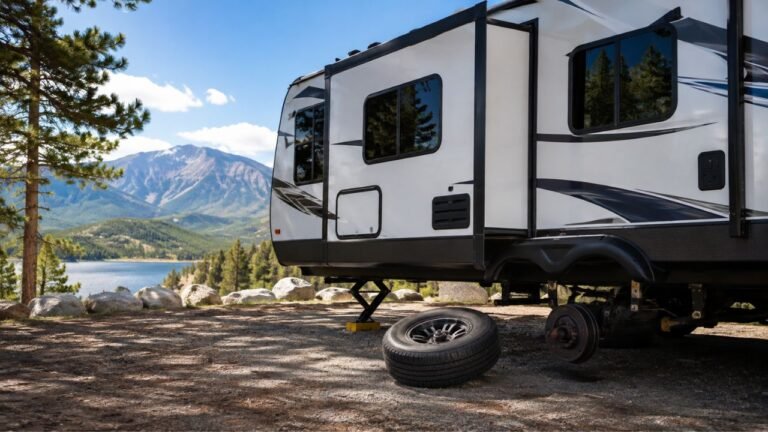
RV trailer brakes need maintenance when you notice weak stopping, pulling, grabbing, grinding, overheating, burning smells, or brake-controller warnings. Delayed braking, locked wheels, unusual hub...
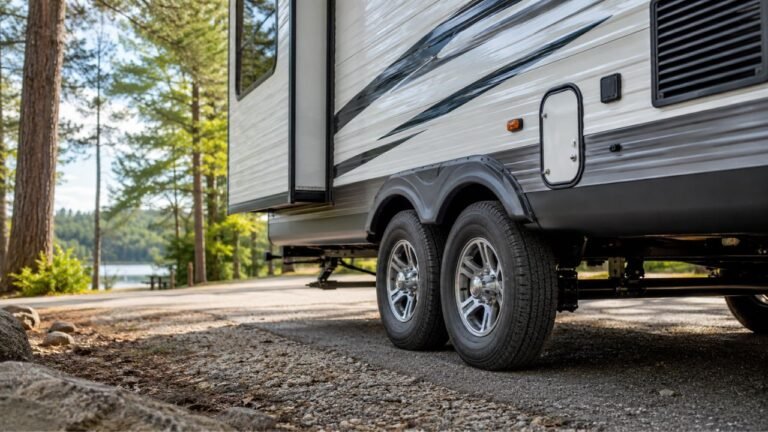
For most towable RVs with conventional serviceable wheel bearings, plan on repacking them at least once every 12 months. Mileage limits vary by axle manufacturer, so your specific axle manual should...
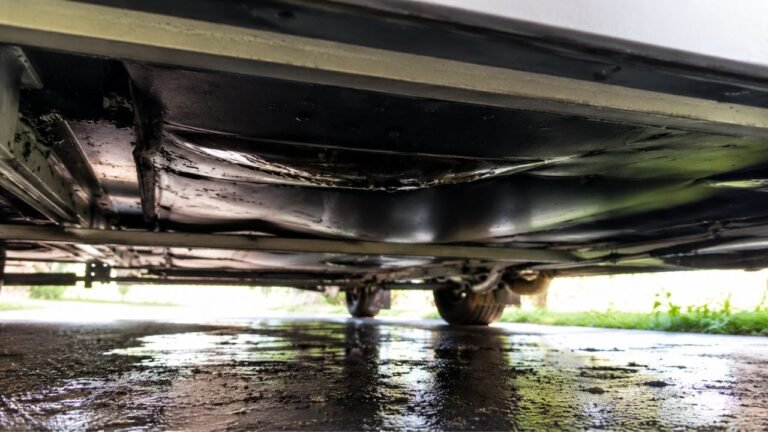
Water collects inside an RV underbelly when leaking plumbing, damaged tanks, faulty fittings, or outside water reaches the enclosed space above the Coroplast. Because the underbelly acts like a...
RV roof caulk is a broad term for sealants used around RV joints, seams, and edges. Self-leveling lap sealant is a specific type that slowly spreads after application, making it best for flat...
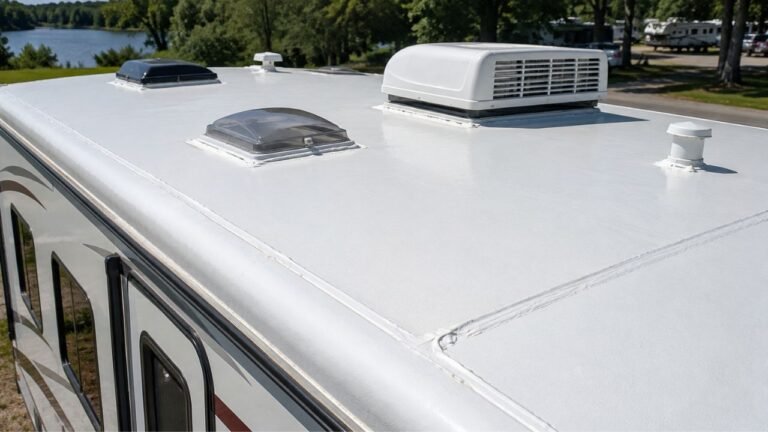
RV roof sealant should generally be inspected every 90 days, or about every three months. You should also check it after severe storms, long trips, falling branches, or other roof impacts. Always...
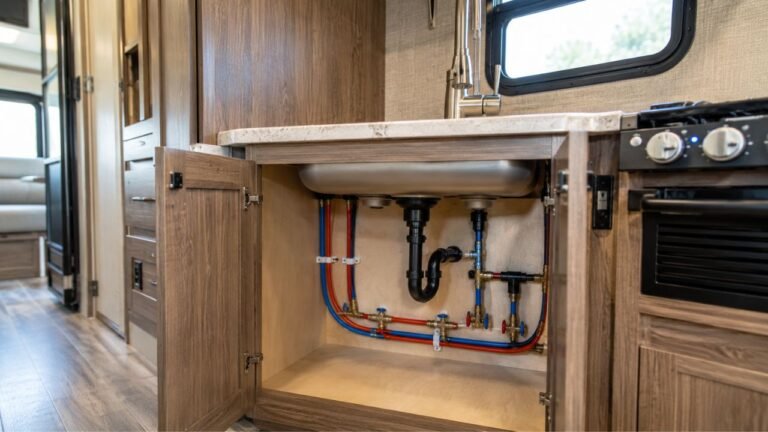
To sanitize RV kitchen water lines, run a properly diluted sanitizing solution through both hot and cold plumbing lines, let it remain for the required contact time, then drain and flush the system...
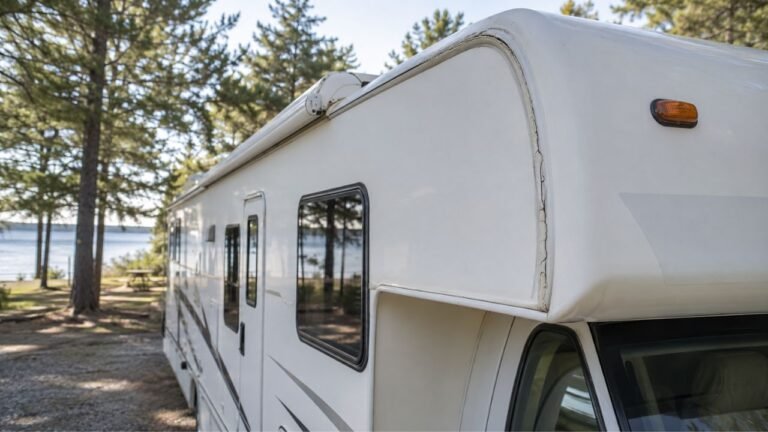
RV exterior sealant cracks quickly because your RV constantly flexes, vibrates, heats up, cools down, and sits under damaging UV rays. Premature cracking can also happen when the wrong sealant is...
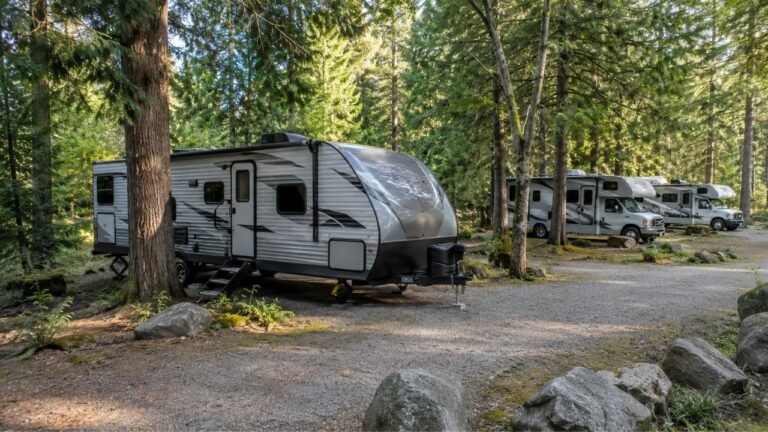
To check an RV for hidden water damage, inspect the walls, ceiling, floors, cabinets, roof openings, windows, slide-outs, and plumbing areas for stains, softness, swelling, musty odors, or...
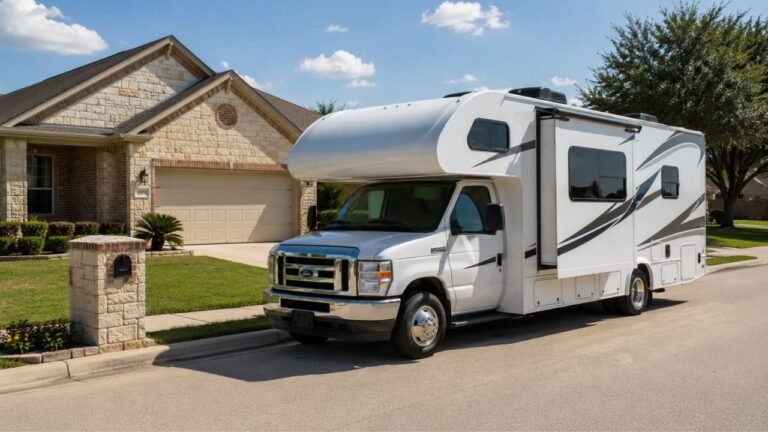
Before every RV trip, inspect the tires, wheels, brakes, lights, hitch or towing connection, batteries, propane system, exterior components, and travel-ready equipment. Motorhome owners should also...