
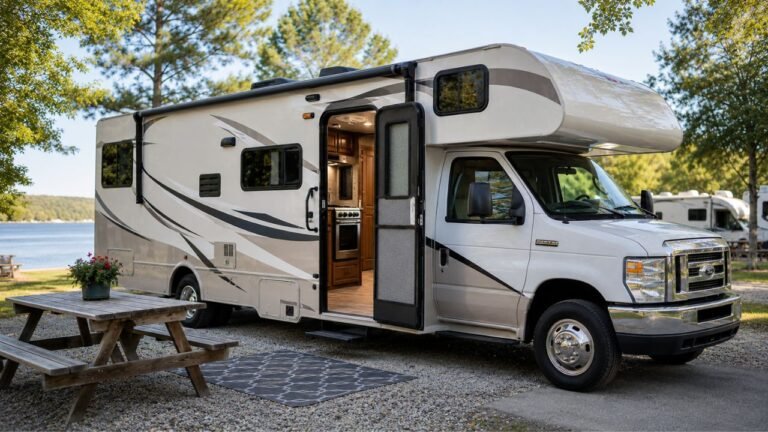
If your RV refrigerator smells like ammonia, the sealed cooling unit in an absorption refrigerator is probably leaking. Turn the refrigerator off, ventilate the RV, and do not run it again on propane...
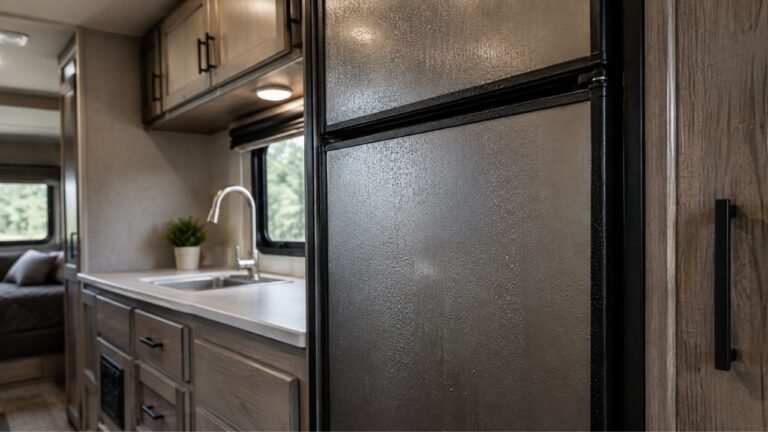
Condensation around an RV refrigerator usually forms when warm, humid air touches the refrigerator’s cold door, gasket, frame, or interior surfaces. Light sweating can be normal during humid weather...
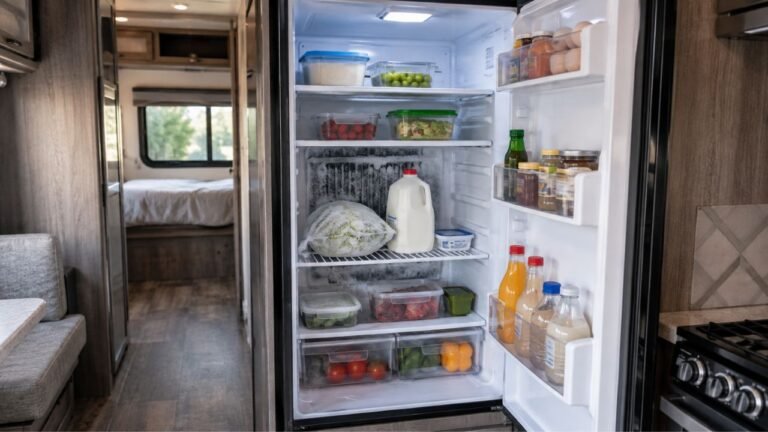
Your RV refrigerator may freeze food on one shelf because that shelf sits in a colder zone. Food placed near cooling fins, blocked airflow, heavy frost, or poor thermistor placement can create...
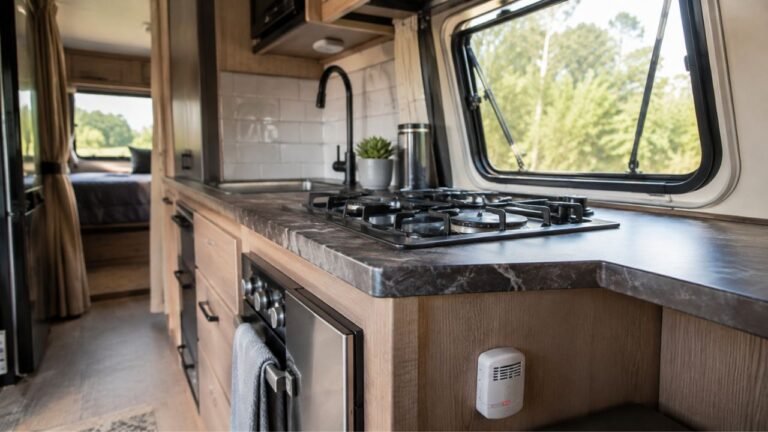
If you smell propane in an RV kitchen, stop using the stove, avoid anything that could create a flame or electrical spark, get everyone outside, and shut off the main propane supply only if you can...
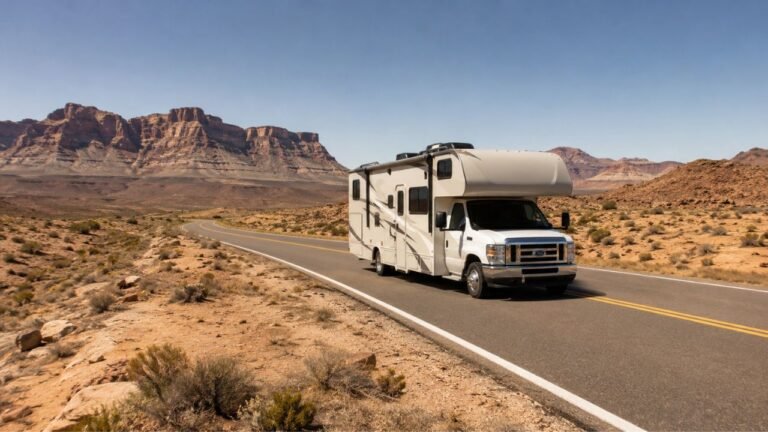
Yes, a bad RV propane regulator can affect your kitchen stove. It can cause weak flames, unstable burning, delayed ignition, burners that go out, or no propane flow at all. A regulator problem becomes...
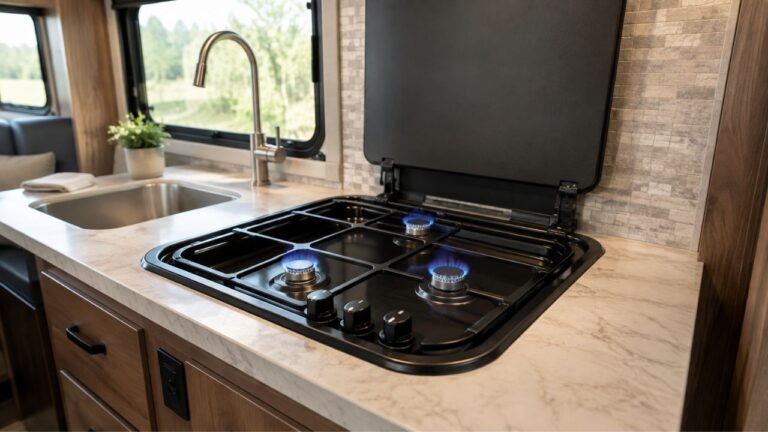
If every burner on your RV stove has a weak flame, the problem usually comes from reduced propane flow or pressure rather than several dirty burners at once. Common causes include a tripped...
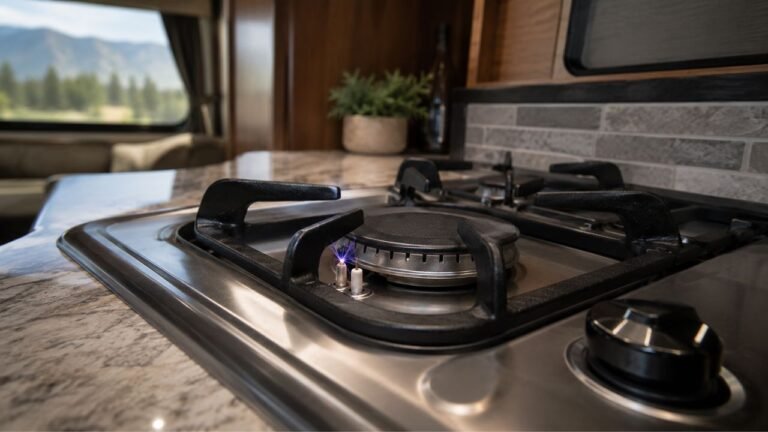
If your RV stove keeps clicking but will not light, the igniter is trying to create a spark, but the burner is not successfully igniting. Common causes include an empty or closed propane tank, air in...
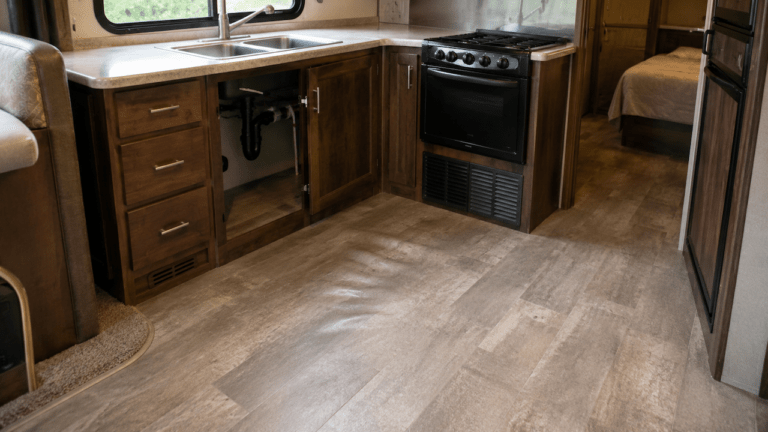
A soft spot in an RV kitchen floor is usually caused by hidden water damage. Leaking plumbing, sink drains, refrigerator lines, slide seals, or exterior gaps can slowly weaken the subfloor. However...
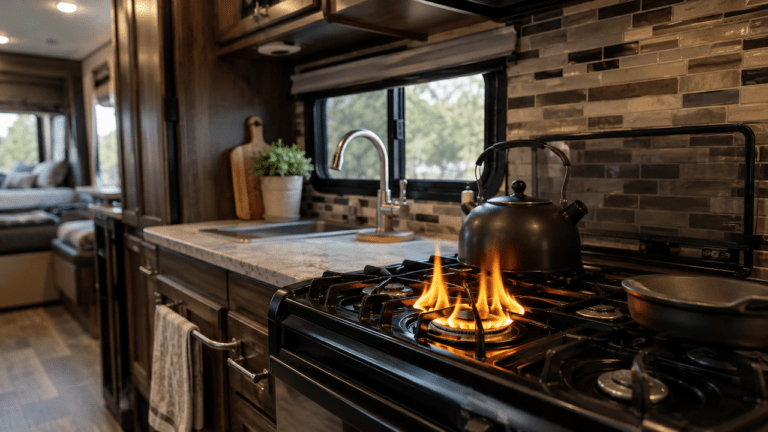
An RV stove flame usually turns yellow or orange because the propane is not mixing with enough air for clean combustion. Dirty burner ports, blocked burner tubes, restricted airflow, or...