
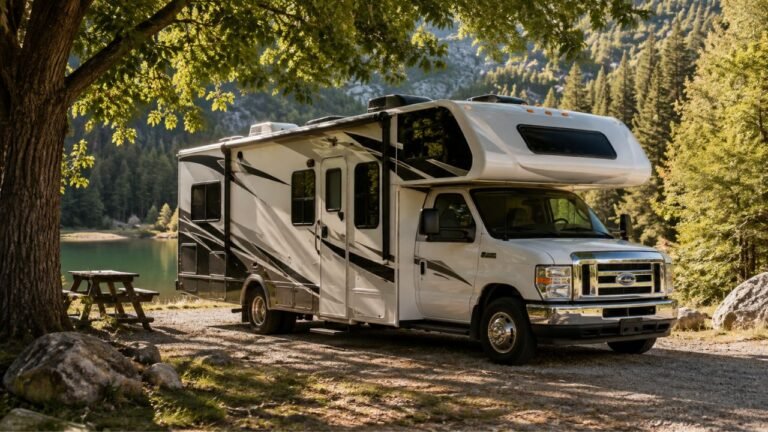
Every month, inspect your RV tires, batteries, safety detectors, GFCI outlets, roof seals, plumbing, AC filters, slide-outs, generator, and signs of moisture or pests. Motorhome owners should also...
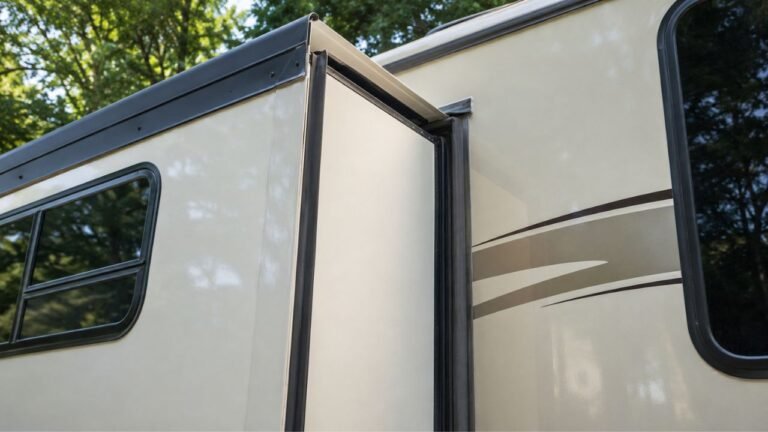
To inspect RV slide-out seals for water leaks, check the seals with the slide both fully extended and fully retracted. Look for tears, cracks, folded wiper seals, gaps, loose mounting areas, poor...
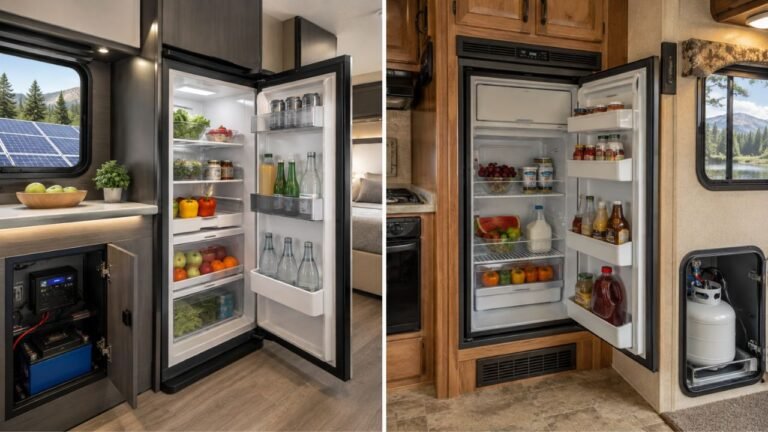
A 12V RV refrigerator is usually better for faster cooling, hot-weather performance, off-level camping, and everyday convenience. A propane refrigerator is often better for long boondocking trips when...
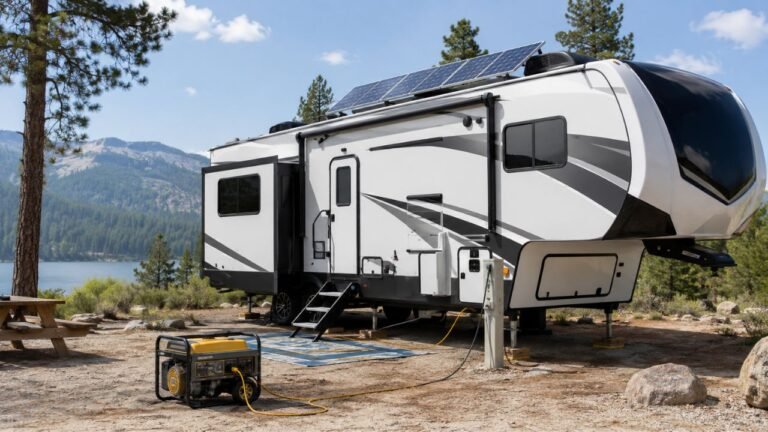
An RV inverter is usually better for quietly running everyday appliances from your battery bank, while an RV generator is better for prolonged high-power loads. If you regularly run air conditioning...
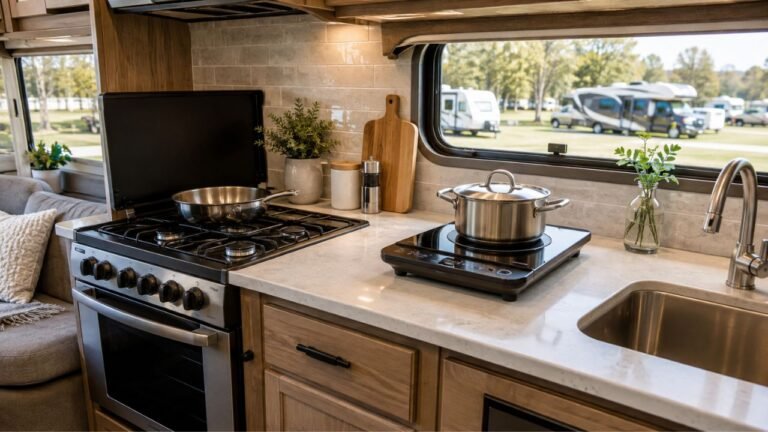
An RV induction cooktop is usually better for fast, clean cooking when you have reliable shore power or a capable lithium battery and inverter system. A propane stove is better for frequent...
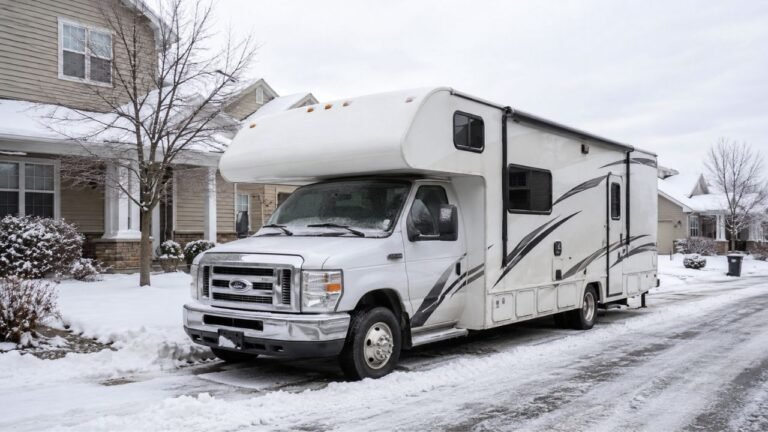
To winterize RV kitchen plumbing, drain the water system first. Then prepare the water heater, bypass filters when needed, and pump non-toxic RV antifreeze through both kitchen faucet lines. Run...
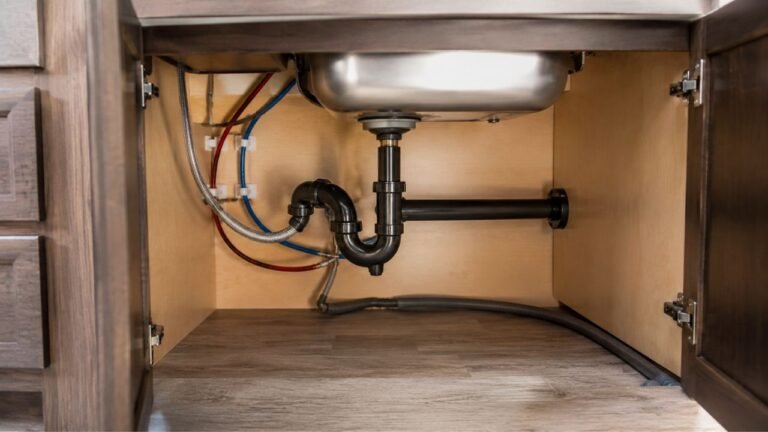
You should inspect your RV kitchen plumbing before every trip, after rough or extended travel, during spring de-winterization, before winter storage, and at least once yearly. Full-time RVers should...
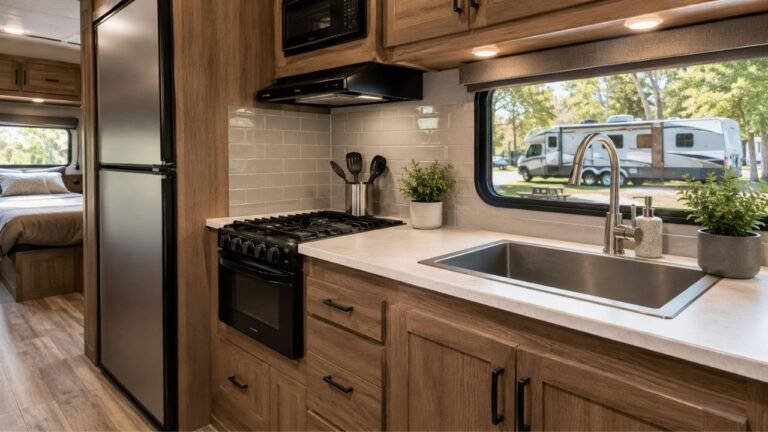
Before every RV trip, check your refrigerator, stove, propane supply, kitchen plumbing, sink drainage, safety detectors, and cabinet latches. You should also remove loose items and inspect for leaks...
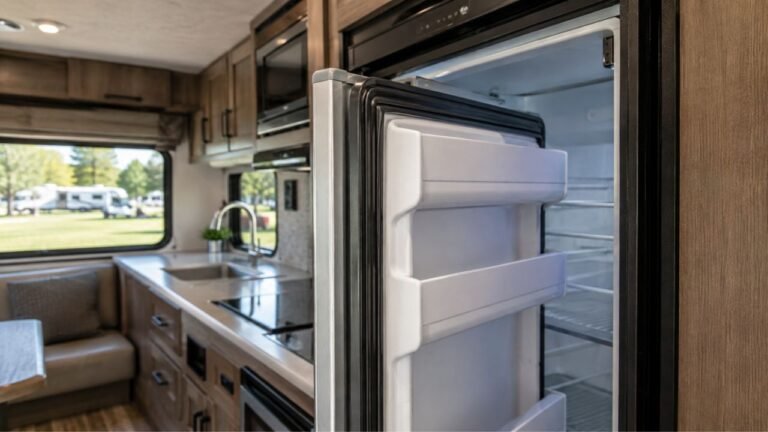
You can test an RV refrigerator door seal with a dollar bill or thin piece of paper. Close the door over the paper, then gently pull it outward. A good gasket should create noticeable resistance. If...